Why do we have to wait until we're 16to do something real?
Second Corner started in the field — talking with 13–15 year olds across Southwark and Lambeth about the opportunities they feel are missing from their everyday lives. This is what we heard, and what we're building in response.
Start earlier, on purpose
Employability shouldn't start at 16. For young people who want to complement their studies with a technical, hands-on approach, the years between 13 and 16 are the ones that quietly decide a lot. We meet them there.
Pocket money, with purpose
Not every household can hand out pocket money or extra income for simple tasks. We help young people earn their own — safely, legally, and close to home — through age-appropriate work with vetted local businesses.
The village, reconnected
Mentors, boxing gyms, youth workers and coaches already exist in every neighbourhood — they're just not connected. Second Corner stitches the existing network together so a young person isn't passed from form to form, but from person to person.
Social value, made tangible
Social value has become a tick-box exercise for too many businesses and procurement teams. We make it measurable: every pound funds a real young person, in a real postcode, doing real work — with the evidence to prove it.
How we work, and where the money goes
Working with under-16s carries real responsibility. We'd rather over-explain than leave any room for doubt about who we are, what we do, and how a young person gets paid.
Who Second Corner is
Second Corner is a project run by Empath CIC, a not-for-profit Community Interest Company based in Lambeth. We coordinate recruitment, matching, employer checks, parental communication, placement monitoring and reporting. The participating business is responsible for directly employing the young person. We are obtaining specialist advice on how employment agency legislation applies to our matching and placement role.
- We check every workplace before approval. The business completes the workplace risk assessment and provides a named supervisor. We rely on the business's own insurance and confirm that it covers employees aged 13–15, the proposed duties and workplace, with legally adequate employers' liability cover where required.
- We safely monitor work while it takes place, with weekly check-ins with the young person, the workplace and the guardian.
- We provide task-specific training before each placement, delivered either by Empath or by the workplace, so the young person is set up to do the work safely.
- Every young person has a named mentor. If they came through a partner — a boxing gym, youth org or mentorship charity — that mentor stays with them. If they came on their own, an Empath mentor is assigned.
Where the money comes from
The participating business pays the young person's wages directly through its own payroll. A social value sponsor may subsidise those wages under a documented arrangement with the business, but this never transfers the business's responsibility for paying the young person. Sponsorship can also fund mentorship and programme coordination.
A typical package funds
- Wages — paid directly by the participating business for the hours the young person actually works.
- Mentor time — a named adult, weekly check-ins, pastoral support across the placement.
- Vetting, safeguarding & logistics — workplace and insurance checks, training, guardian communication, monitoring and programme administration.
The work, in their own words.
Testimonials from students, teachers, and coaches on what Empath CIC's work looks like in practice — from boxing sessions to creative projects in school.

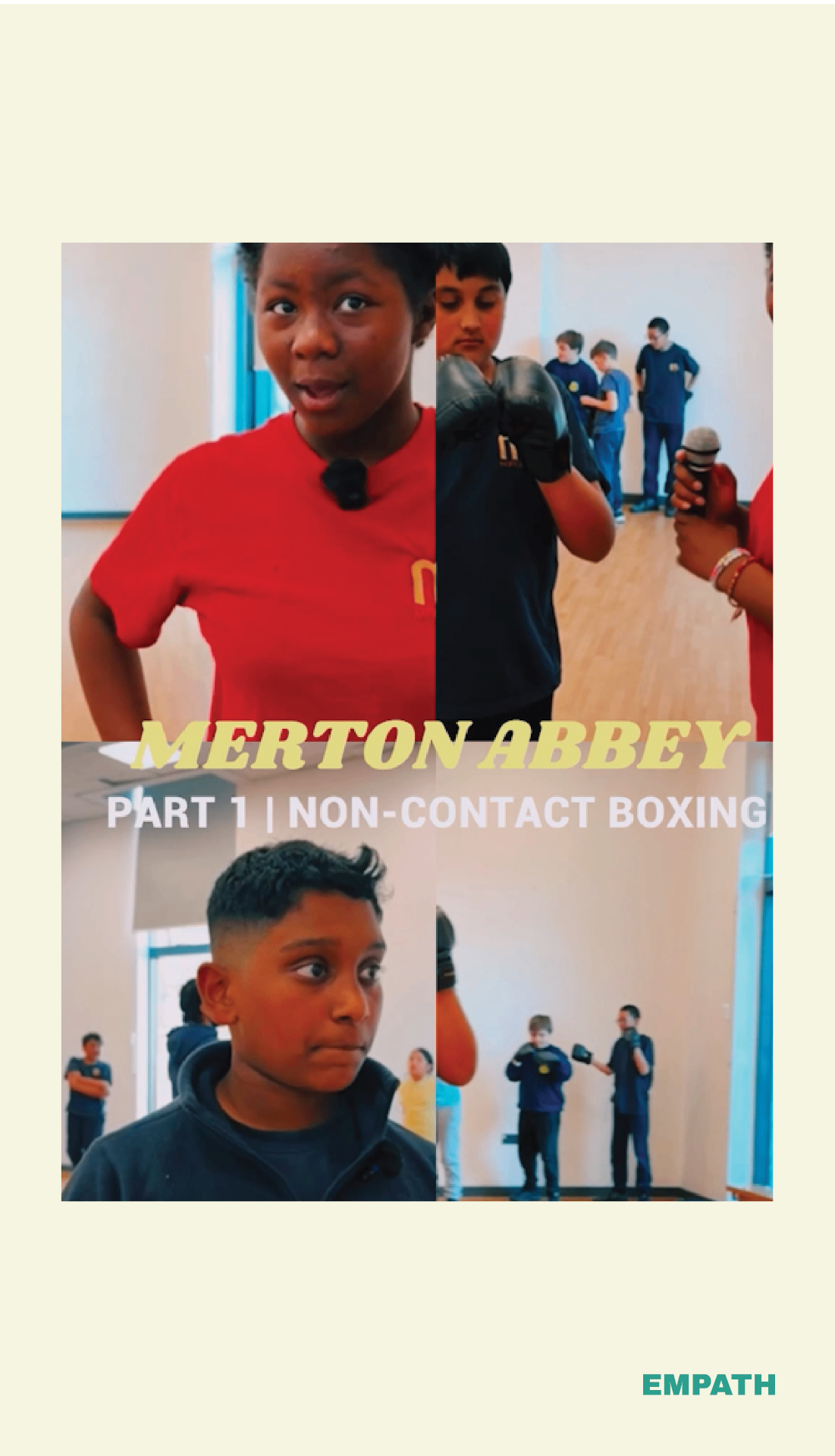
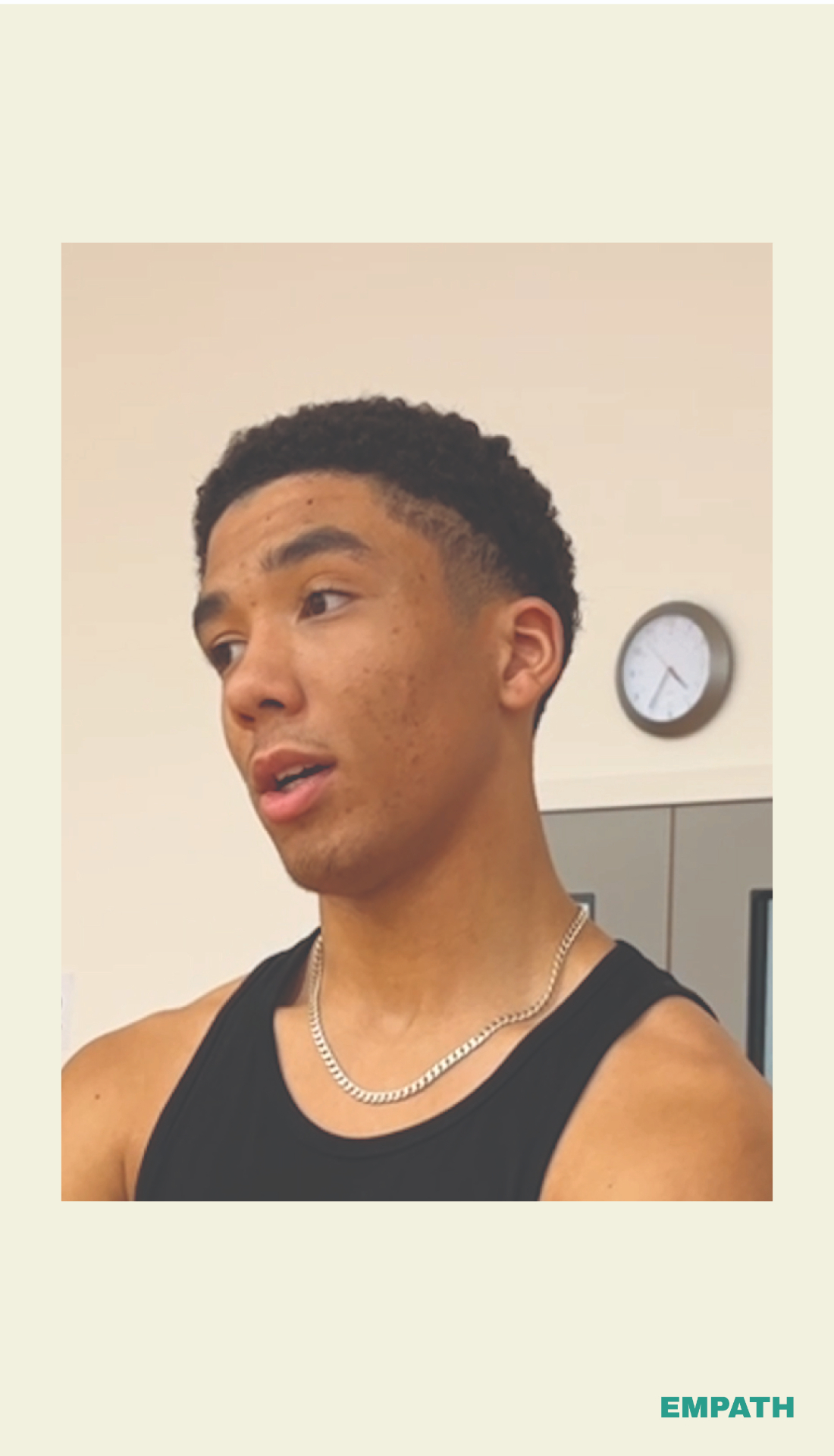
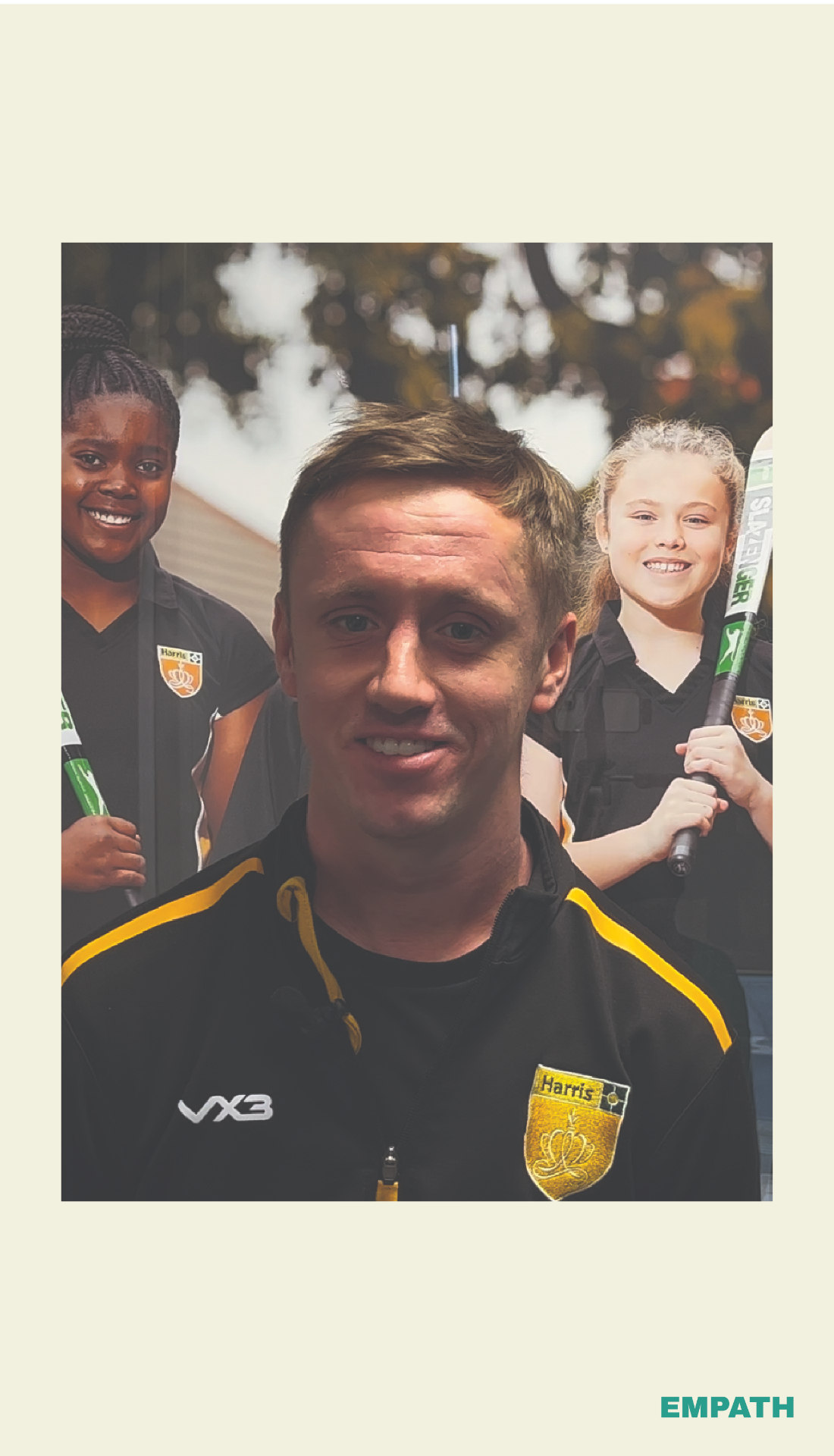
Year 6 students at Merton Abbey Primary became filmmakers for a day, creating their own school video from a pupil's point of view. Hear from the students, Headteacher and Assistant Headteacher on what they learned and why it mattered.
Our safeguarding commitments
Paid work involving under-16s is a sensitive area, and one that hasn't been solved well before. We're naming that risk out loud, and these are the concrete commitments we're building Second Corner around so it can never be perceived — or used — to take advantage of a young person.
Independent advisory panel
We're building a small, independent safeguarding panel — including a children's social worker, a youth-law solicitor and an educator — with explicit audit rights over our placements, policies and finances. Names will be published once confirmed.
Apply, or suggest someone →Young-person-led feedback
Anonymous monthly check-ins for every young person on a placement, with aggregate results published openly. The fact that we actively invite criticism is itself part of the safeguard.
Radical financial transparency
We publish a per-placement breakdown of every sponsored pound — the wage subsidy paid to the employer, mentor support, vetting and safeguarding, and Empath overhead. The business pays the young person's wages directly. No hidden cuts, no fine print.
Guardian co-consent & exit
Every placement starts with a plain-English one-pager signed by the young person and their guardian. They can withdraw at any point, no questions asked, no penalty — and the placement ends within 24 hours.
Direct employment, clear duties
The participating business directly employs and pays the young person, administers payroll, obtains the child employment permit, completes the workplace risk assessment and provides day-to-day supervision and health and safety. Sponsor funding never removes those employer responsibilities.
Public ethics statement
We say the risk out loud: paid work involving minors can be exploited. Our public ethics statement names exactly how we prevent that, and we welcome challenge from anyone who thinks we can do better.
Six groups, one corner
Working with young people can't happen in isolation. It takes a multi-sided approach — combining efforts from every part of their world so no one carries it alone.
Young people
Paid placements for 13–15 year olds, with boxing and mentoring opportunities for 13–16 year olds — a second corner behind them.
Local businesses
Employers who benefit from supervised youth work and want to invest back into their high street by being part of a young person's second corner.
Social value funders
Companies and procurement teams turning their obligations into measurable local impact — funding second corners across the city.
Mentors & gyms
The coaches, boxing clubs and youth orgs already doing the work — now connected as part of every young person's second corner.
Schools & youth clubs
The trusted everyday spaces that spot young people early and help connect them to a second corner.
Families & close network
Parents, carers and the trusted adults who know the young person best — the ones who can advise, encourage and help them find a second corner.
Common questions
Pick the group that matches you for the answers that matter most.