Does paid work help or harm 13–15 year olds?
Rethinking work for 13–15 year olds in London.
On 19 September 2026, young people, parents, employers, community organisations and policymakers came together to discuss when teen work helps, when it harms, and what good practice looks like. The event also marked the launch of Second Corner.
Purpose
A shared view of teen work — built in one room.
The symposium launched Second Corner alongside a public conversation about teen work in the UK. Together, the room explored when work helps a 13–15 year old develop, when it harms, and what good practice should look like.
It also lands at a moment. The Milburn review has put NEETs — over a million 16–24 year olds out of work and education, costing the UK an estimated £125bn a year — back at the centre of national debate. Second Corner believes the earliest steps onto the work ladder happen at 13–15 — and that's exactly where opportunity is scarce. The symposium is a constructive response to that moment.
19 September 2026
Photos from the day.
A look back at the conversations, connections and people who made the launch symposium possible.
Second Corner is a platform designed to create safe, vetted and meaningful paid work opportunities for young people aged 13–15 across the UK.
The project was born from research with young people and grassroots organisations in Southwark and Lambeth, where one message came through consistently: many young people want to earn money and gain experience before the age of 16, but there are very few safe, structured opportunities available to them.
Event programme
15:00 – 18:30.
- 15:00Arrivals, coffee, press check-in
- 15:10Welcome
15:15Opening addressHelen Hayes MP — Member of Parliament for Dulwich and West Norwood
A short address from Helen Hayes MP on why safe, age-appropriate work for young people matters for her constituency and for London.
Helen Hayes MP — Member of Parliament for Dulwich and West Norwood15:25Panel 1 — Youth voice
We start with young people. What they're already doing for money, what they wish existed, and what 'safe paid work' should actually look like from their side.
16:05Panel 2 — Risks, rules, safeguarding
The current legal framework for under-16 work, the risk taxonomy and what good safeguarding actually looks like in practice.
- 16:35Break
16:55Panel 3 — How do we create safe pathways into employment
This panel brings together organisations that can influence real change, exploring how employers, housing associations, schools, local authorities and community organisations can work together to create meaningful opportunities before young people reach the age of 16.
- 17:35Close, charter read-back — official launch of Second CornerCo-founders (Empath CIC)
- 18:05Press & drinks
- 18:30Event ends
Speakers
Who spoke.
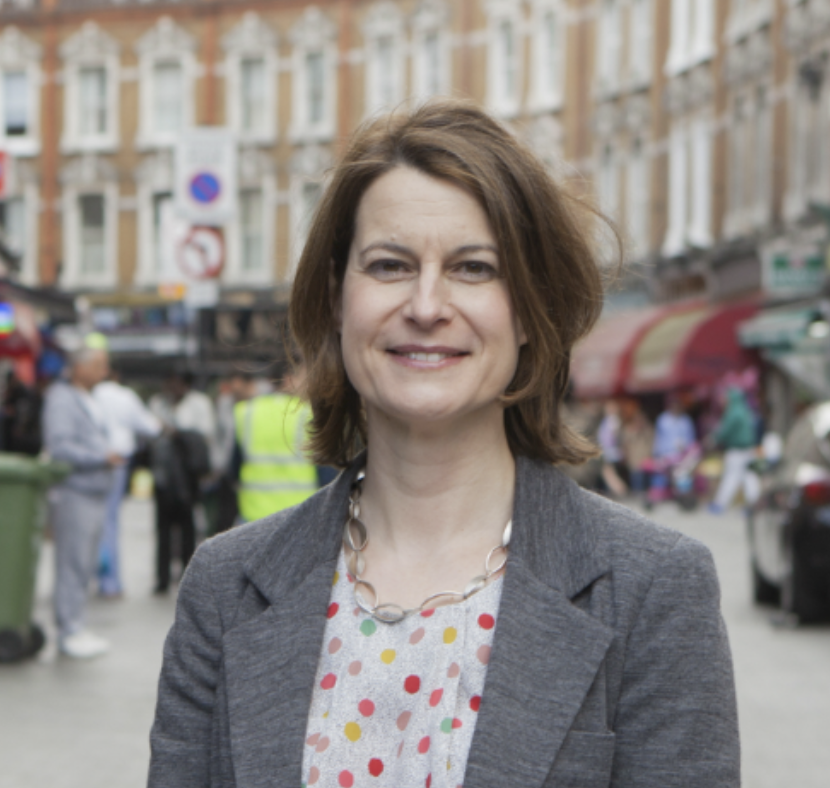
Opening address
15:15Helen Hayes MP
Member of Parliament for Dulwich and West Norwood
Panel 1
15:25Youth voice
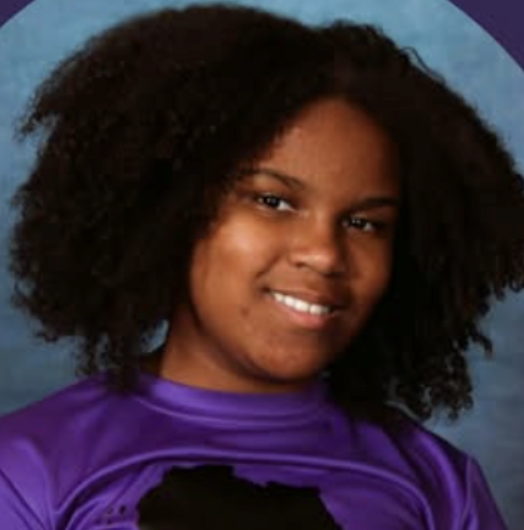
Lauryn Teixeira
Kidpreneur · Multi award-winning author
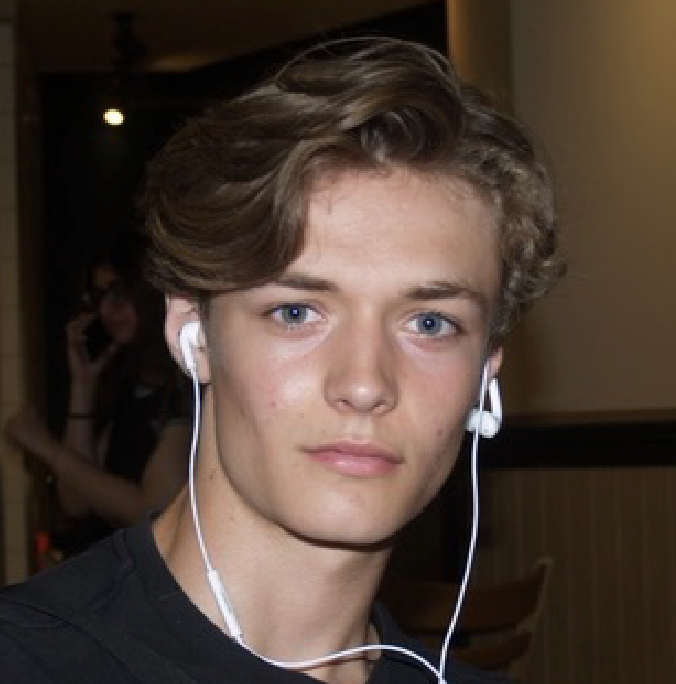
Max Evans
Year 10 student
- N
Nuriyah
Year 10 student
- A
Adama
Year 10 student
- C
Caprice
Year 9 student
- H
Hayden
Year 9 student
- K
Kings-Lei
Year 9 student
- P
Preston
Year 9 student
Panel 2
16:05Risks, rules and safeguarding
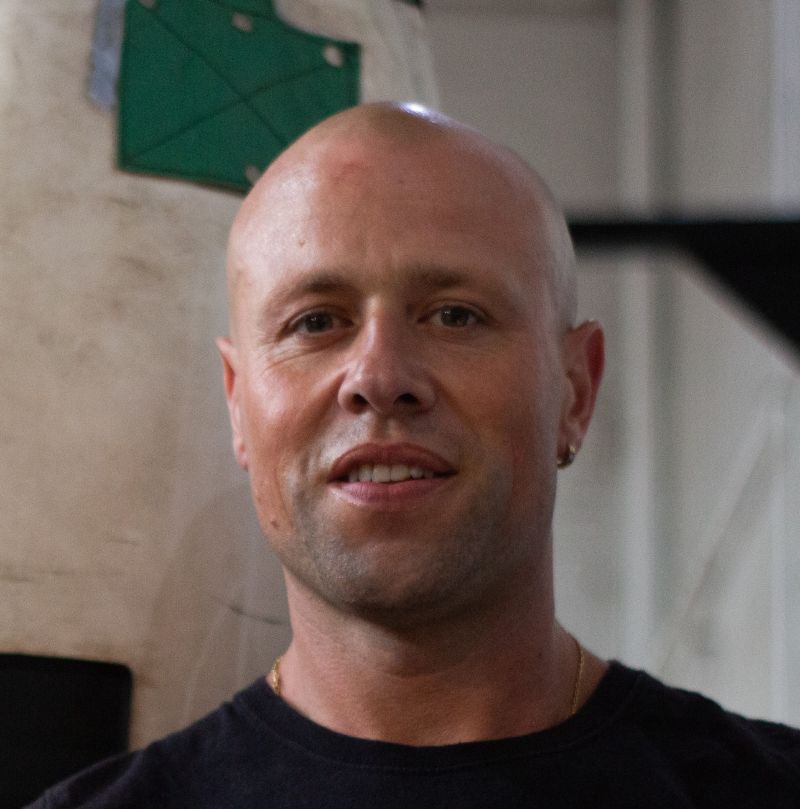
George Turner
Co-founder · Carney's Community
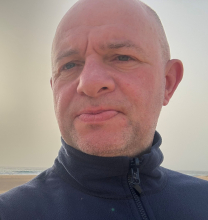
Chris Callender
Head of Civil Litigation · Just for Kids Law
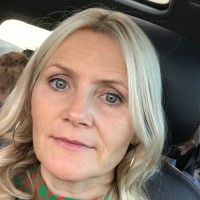
Michelle Clement Evans
Regional Chair · National Network for Children in Employment and Entertainment (NNCEE)

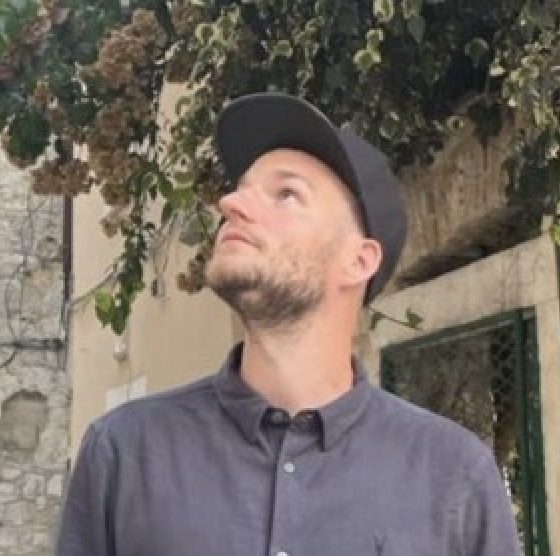
Maxwell D
Artist · Youth Mentor · Parent
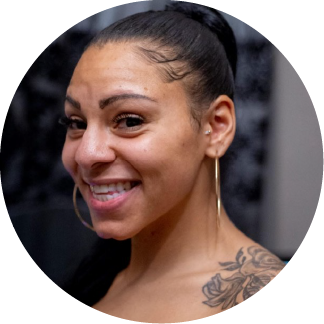
Tom Isaac
Capacity Building Lead · London's Violence Reduction Unit · Mayor of London
Margarita Bakare
Youth programme coordinator · Youth worker
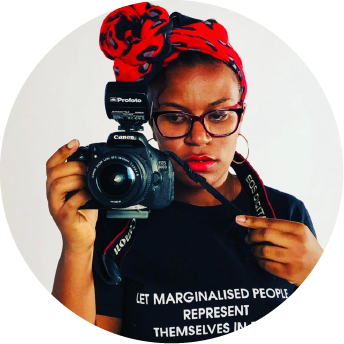
Dr. Cristina Cabral
Parent · Digital Media Lecturer · SOAS University of London
Panel 3
16:55How do we create safe pathways into employment

Sunnie Ighorae
Behaviour specialist · Founder · Life101 · Marcus Lipton
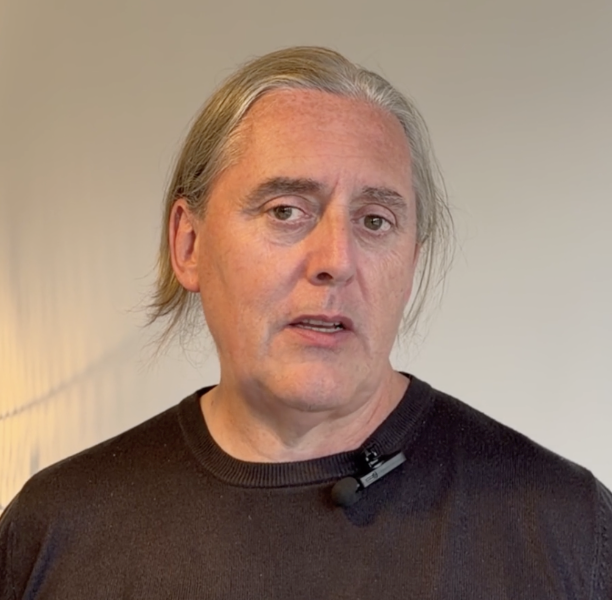
Mark Maddison
Employment & Training Manager · Clarion Futures
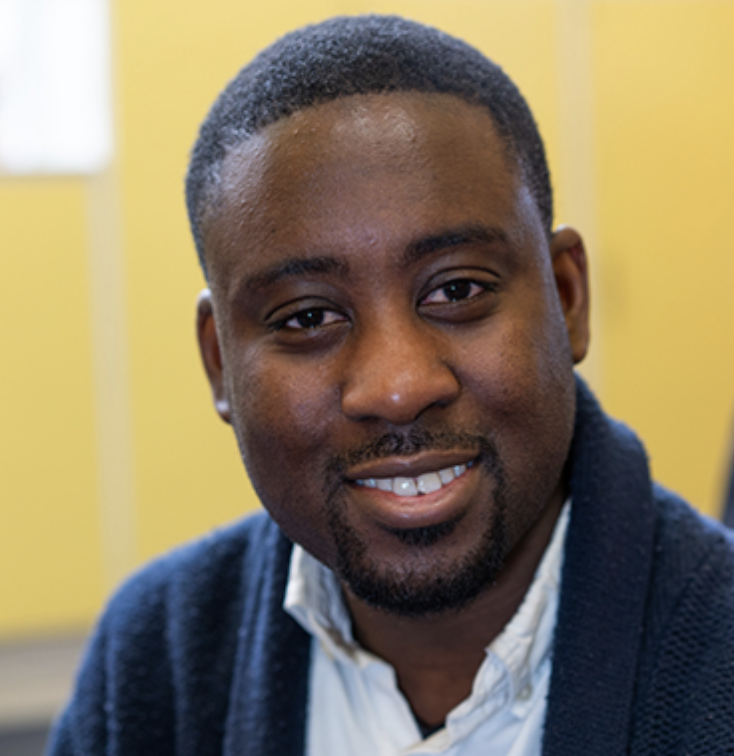
Peter Baffoe
Director, South London Mission · Vice Chair, Peabody · School Governor
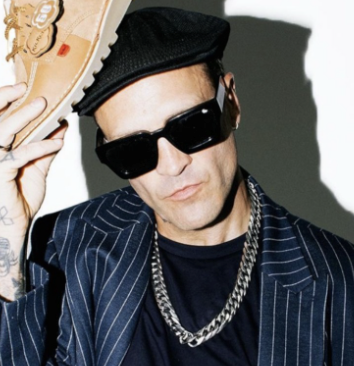
Rich Evans
Parent · Executive Creative Director · Rich London
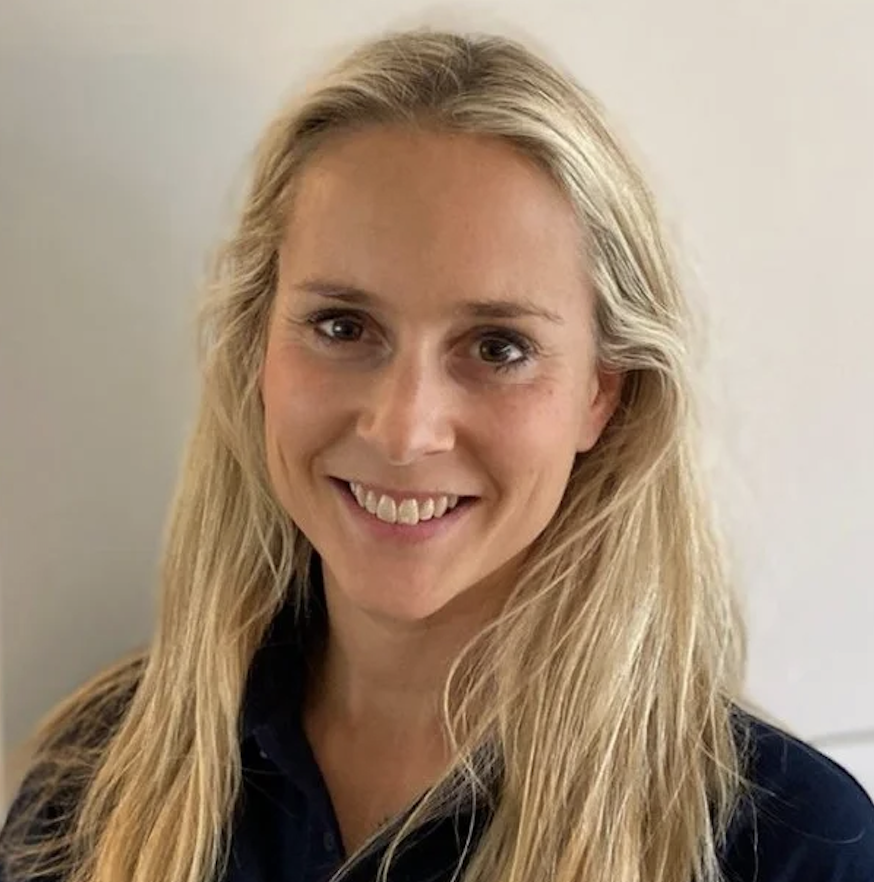
Leonie Weeks
Employer · Benchmark Gymnastics
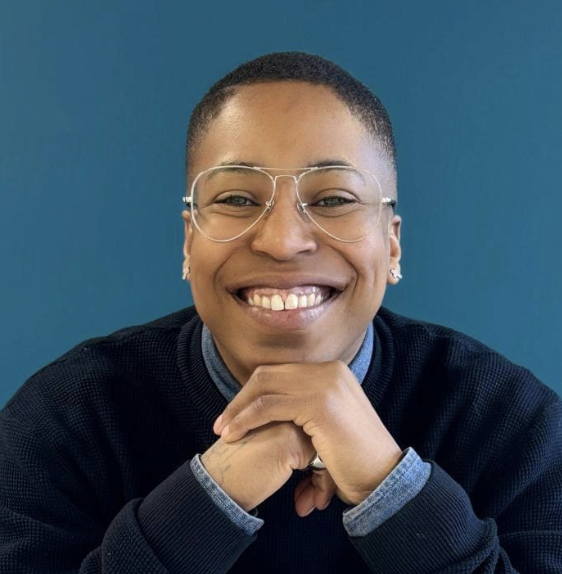
Cherrelle Brown
Social Value Manager (Employment & Skills) · Vistry

Jasmine Dorsett
Work and Skills Specialist · Metropolitan Thames Valley
Rosa Saunders
15 years old · Young Leader at Benchmark Gymnastics
Hear from the room.
Short interviews and reflections gathered around the symposium from young people, parents, employers and educators.
Youth voices
Why do 13–15-year-olds think paid work matters? Six young people share their views on independence, saving, experience and the value of earning their own money. Interviewed by Margarita Bakare, Youth Engagement Lead at Second Corner / Empath CIC.
Subscribe to our newsletter
Receive updates following the symposium and our quarterly reports.
Our event community
The organisations that made it happen
Partners






Sponsors


Represented organisations